
Revivals
Yesterday Girl
Alexander Kluge
North American Premiere of New 4K Restoration
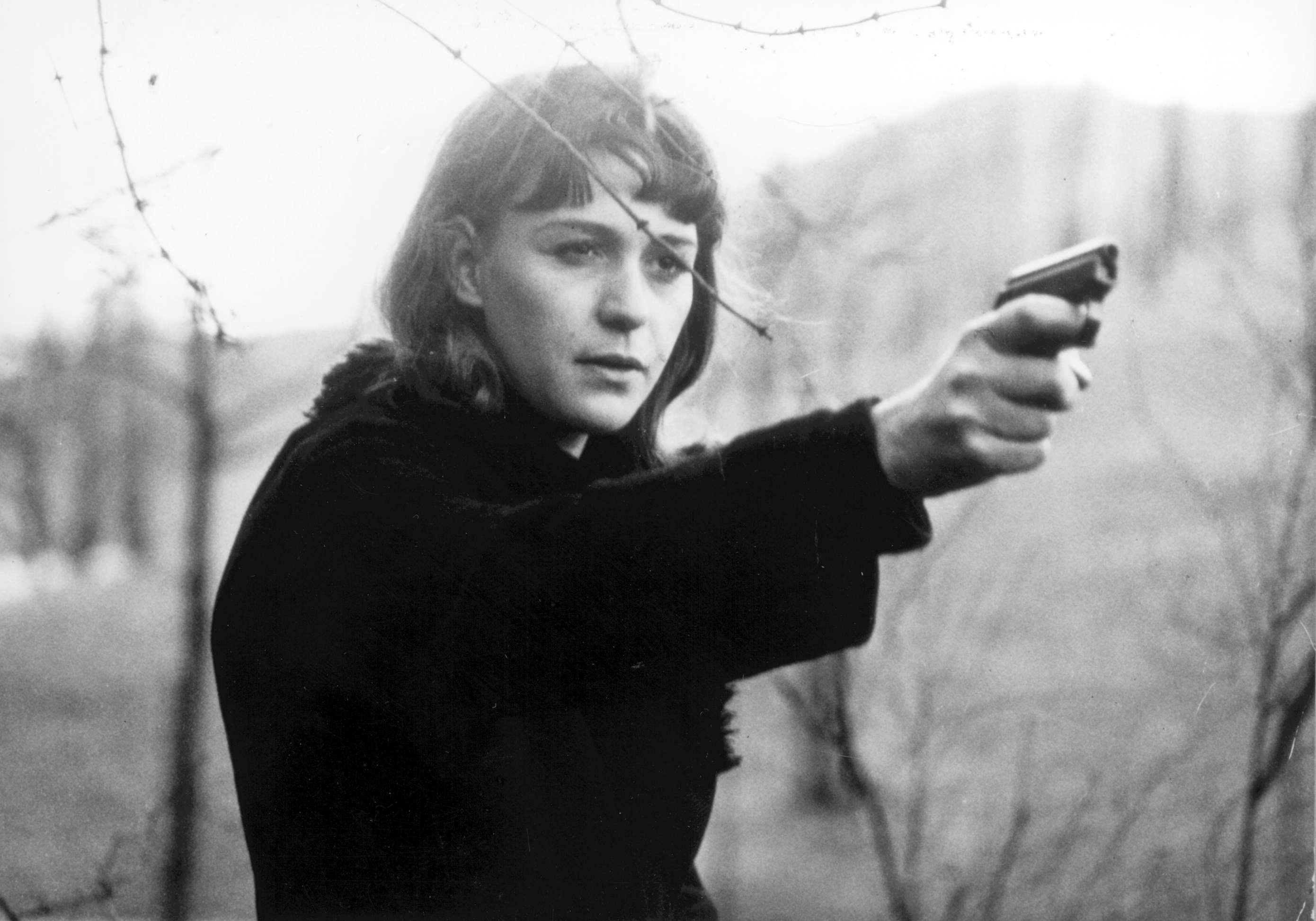
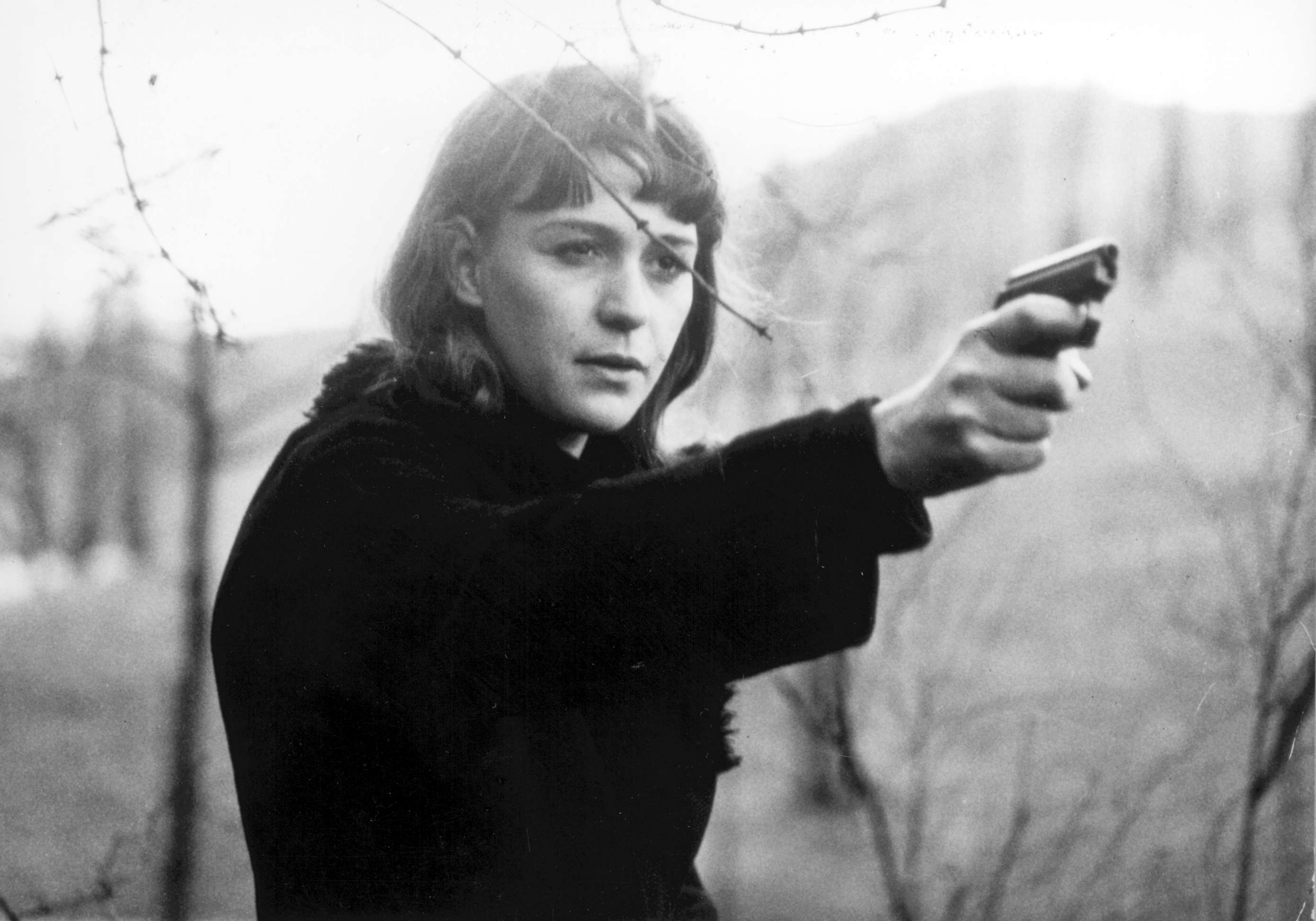
One of the foundational films of the New German Cinema, the debut feature by the polymath artist and writer Alexander Kluge, about an East German woman’s acclimating to life on the other side of the wall, is a defining work of midcentury cinematic modernism.
- Runtime
- 88 min
- Country
- West Germany
- Language
- German
- Year
- 1966
- More information
- Official page
Screenings
One of the foundational films of the New German Cinema, the debut feature by the polymath artist and writer Alexander Kluge (who died in March 2026 at the age of 94) remains a radical and generative work that reimagines the formal conventions of narrative cinema in pursuit of a new kind of film, one that would better reflect the political realities of life in Germany 20 years after the fall of the Third Reich. Nominally, the plot concerns Anita G. (Alexandra Kluge, the director’s sister), a young East German woman acclimating to her new life on the other side of the wall. But Kluge adorns her meandering odyssey with a wealth of intertitles, references, citations, and documentary footage, yielding an allusive and polyvocal work about which one can say, simply, that there was a German cinema before Yesterday Girl and a German cinema after it.
Restoration undertaken by Kairos-Film and Reitz-Medien under the supervision of Alexander Kluge. 4K scanning from the original 35mm negative performed at ARRI Film & TV München.
One of the foundational films of the New German Cinema, the debut feature by the polymath artist and writer Alexander Kluge (who died in March 2026 at the age of 94) remains a radical and generative work that reimagines the formal conventions of narrative cinema in pursuit of a new kind of film, one that would better reflect the political realities of life in Germany 20 years after the fall of the Third Reich. Nominally, the plot concerns Anita G. (Alexandra Kluge, the director’s sister), a young East German woman acclimating to her new life on the other side of the wall. But Kluge adorns her meandering odyssey with a wealth of intertitles, references, citations, and documentary footage, yielding an allusive and polyvocal work about which one can say, simply, that there was a German cinema before Yesterday Girl and a German cinema after it.
Restoration undertaken by Kairos-Film and Reitz-Medien under the supervision of Alexander Kluge. 4K scanning from the original 35mm negative performed at ARRI Film & TV München.